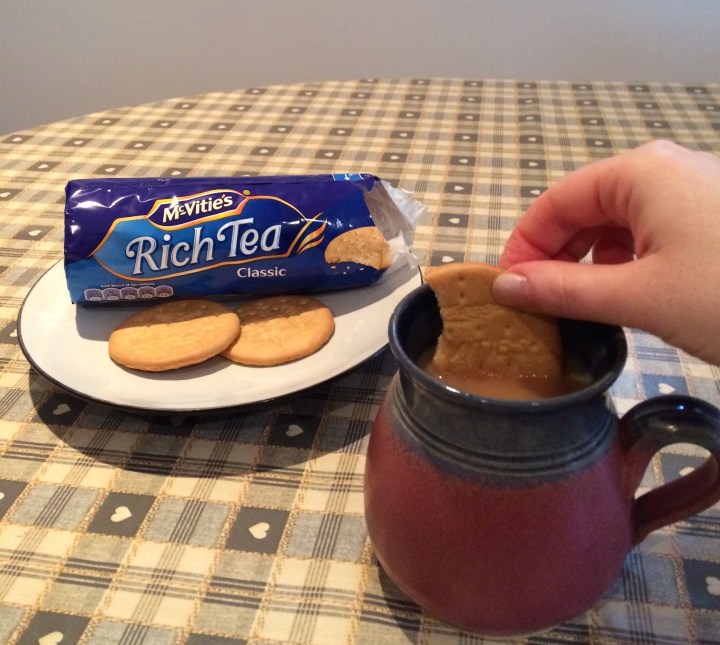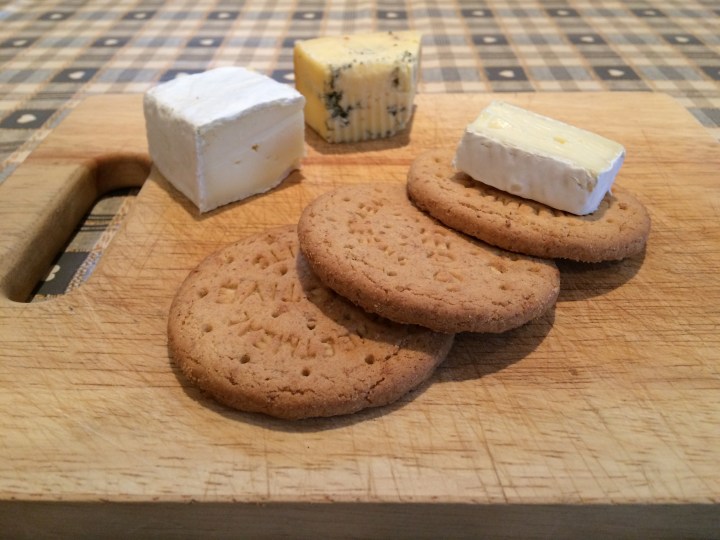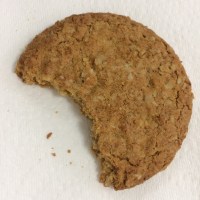
“Enjoy the oaty rough and tumble of the nation’s crunchiest companion.” To me, McVitie’s promotional tagline for the plain or ‘original’ hobnob describes the experience of this biscuit rather well. Opinions differ as to whether it really is the crunchiest on the market, but there can be few more satisfyingly homely, unpretentious accompaniments to a strong cup of cha. Granted it may be a little rough around the edges with a tendency to crumble at the slightest touch, but there’s just something very satisfying about the way it nonetheless conveys a sense of substance. An aura of wholesomeness, too, is a large part of the hobnob’s appeal. It must be something about the oats and the way they pack them…
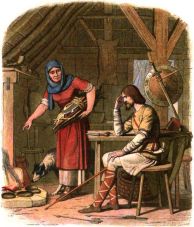
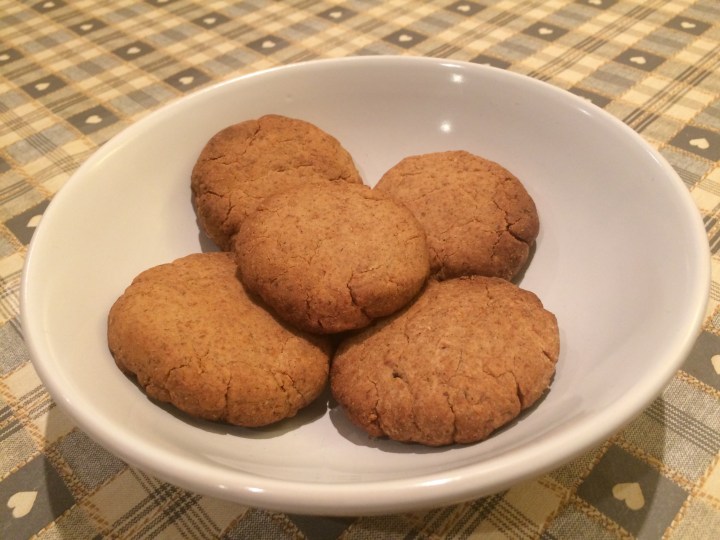
While it may not score that highly on visual aesthetics, most consumers agree that this is a nice-tasting biscuit, despite looking like something King Alfred might have burned. Although its use isn’t recorded until the early seventeenth century, the word has at least one medieval association: in old Sarum (Salisbury for twenty-first-century readers) the hobnob was the name of the mischievous hobby-horse used to scatter the crowd before the giant in the Midsummer’s Day Procession. Contextually, to hobnob meant to give and take a blow in Shakespeare’s Twelfth Night, where the riotous Sir Toby uses it to describe the (imaginary) fights of the drunk and disorderly Sir Andrew. It isn’t until the next century it comes to mean socialising or chinking glasses with pals, perhaps because of its association with Shakespeare’s bon viveurs.
Today, the idea of hobnobbing carries faintly disparaging allusions of social-climbing (‘hobnobbing with the top brass’), a shift of meaning that seems peculiar given the hobnob’s obvious lack of pretension. You might expect this sort of behaviour from a Ferrero Rocher, but a hobnob? It’s hard to imagine a biscuit less snobbish. Which brings me to the moral… St Paul in his letter to the Romans warns his church against this kind of elitism. This isn’t about bad versus good company per se, but all the other (spurious) ways in which we mentally divide people by class or culture or profession or social standing. The conclusion? ‘Do not be proud but be willing to associate with people of low position.’ If you don’t have any friends in ‘low’ places, you might just be hobnobbing with the wrong people.
Further Delectation
Try smuggling a hobnob into the Ambassador’s Reception, or maybe just enjoy one at home with Builders’ tea and Francis Bryan’s Dispraise of the Life of a Courtier if you’re sick of all this hobnobbing.
Impressed by Alfred’s cooking skills? Learn more about his legacy at the British Library’s Anglo Saxon Kingdoms exhibition (on till February 2019). Later medieval readers may wish to read more about hobnob and the Salisbury Giant.
Take in a view of hundreds of paper doves at Salisbury Cathedral, an installation by Michael Pendry to commemorate the 100 year anniversary of the end of the First World War (photo credit: Howard Darvil). When the news of the Armistice reached the trenches many British soldiers reported they were ‘too far gone, too exhausted’ to enjoy it. One summed up the mood rather tellingly in remarking ‘There was nothing with which we could celebrate, except cookies.’

If you would like to see more entries more regularly and help keep this bestiary free of ads, you are welcome to contribute to the Biscuit Jar.
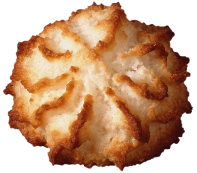 I did a little googling to find out, but the results were singularly disappointing. St. Macarius of Alexandria seemed a likely candidate at first: a hermit who became a recluse after a career as a vendor of sweetmeats and is thought to have some connection with macaroons. But alas, the more I read about his unusual life the more I perceived a marked trend towards the renunciation of biscuits: a doctrine I find most unpalatable. (Wouldn’t you?)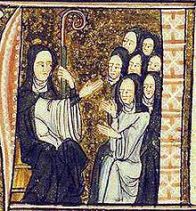


 I can see why travel is supposed to broaden the mind. It was the squareness of the Selga that first alerted me to the fact that all the biscuits I’ve seen in the UK have been round or oblong or uneven. Not only do square biscuits not exist here it seems, but worryingly for the geometricians whosoever googles ‘square British biscuits’ finds nothing but images of Nice and Custard Creams.