Happy New Year, everyone. No, I haven’t just woken up… The medieval new year always starts on the 25th of March rather than the beginning of January. For those who like a bit of historical trivia with their biscuit lore, it was also the period to which the medieval books were made up (add an extra 10 days on for the shift from the Julian to the Gregorian Calendar in 1752 and you get the 5th of April as the last day of the tax year).
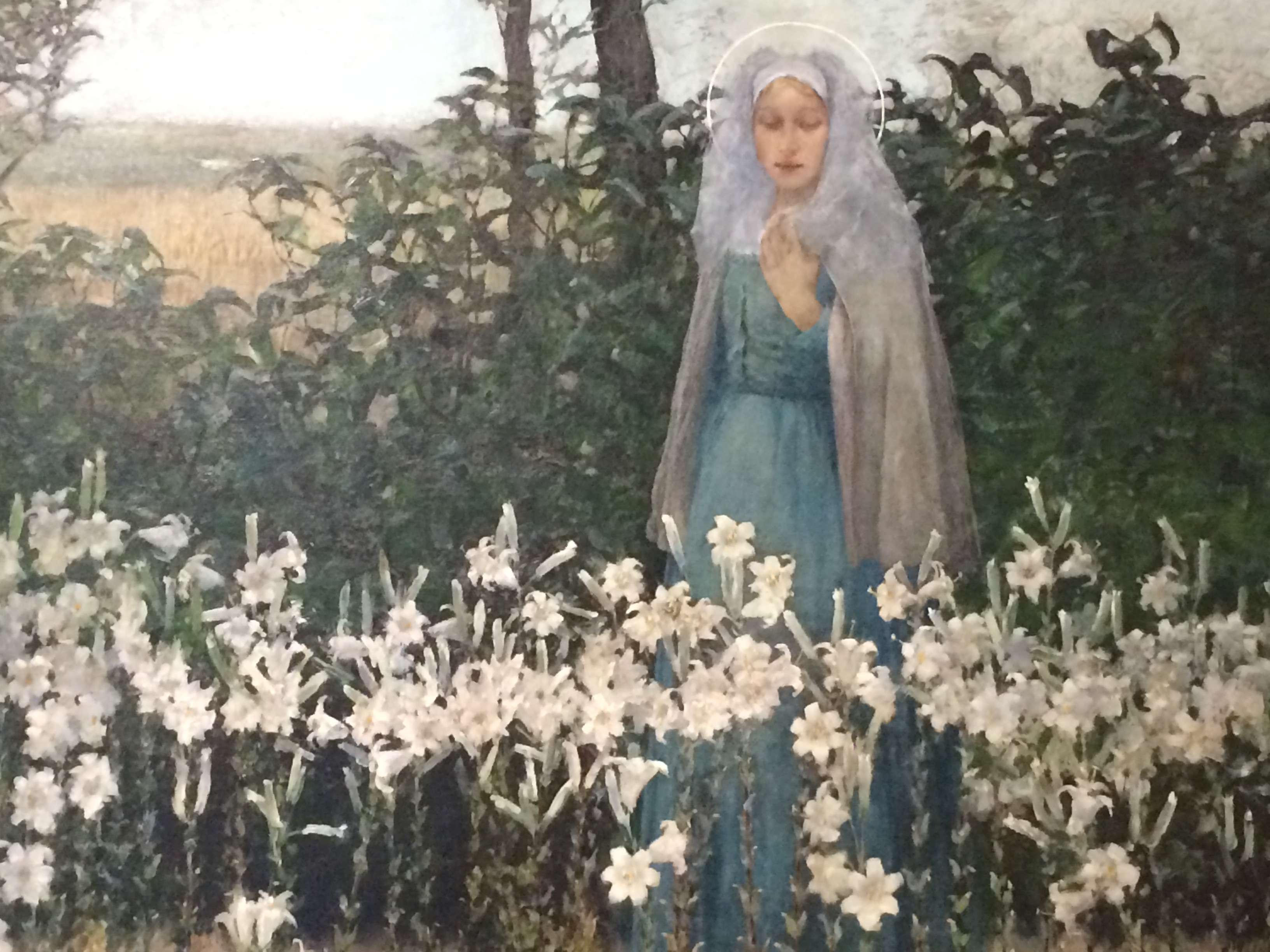
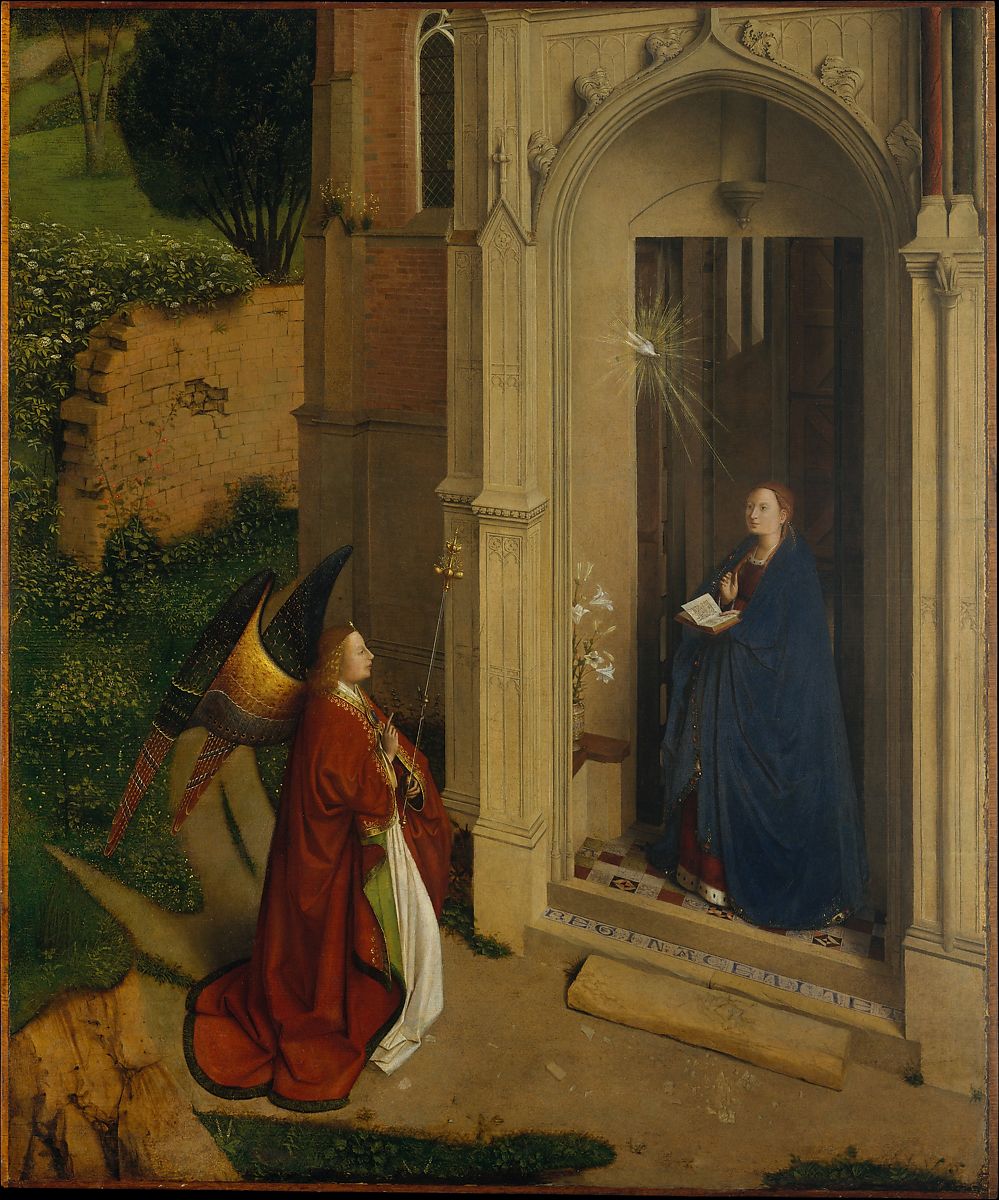
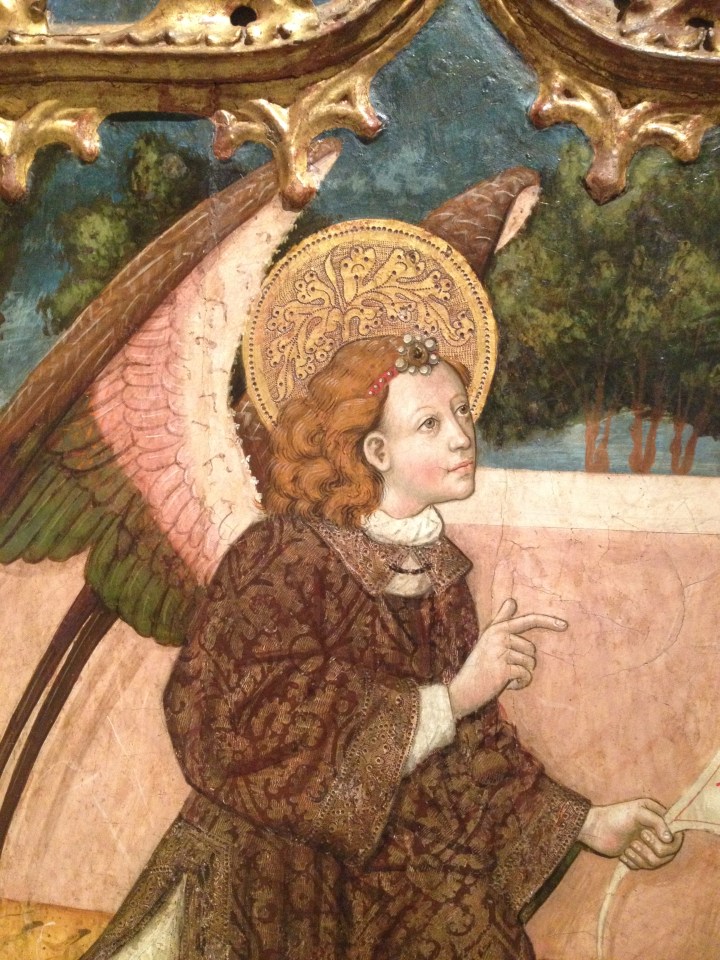
The end is where we start from, wrote T.S. Eliot in the mystical Four Quartets reflecting on the way our ends tend to generate beginnings. Beginning a new year at the same time as we see the natural world coming to life has a feeling of aptness to it, which may be why so many cultures, including the oldest biblical one, follow suit. It’s significant too that the 25th of March coincides with Lady Day or the Feast of the Annunciation in the Church’s calendar, a story that marks both an end and a beginning in the long-awaited fulfilment of the prophecies of Israel’s saviour. Mary’s reaction to the sudden appearance of the angel and his world-shaking announcement is fear first but then trust that things would be as he promised. You are blessed because you believed the Lord would do as he said, Mary’s cousin tells her.
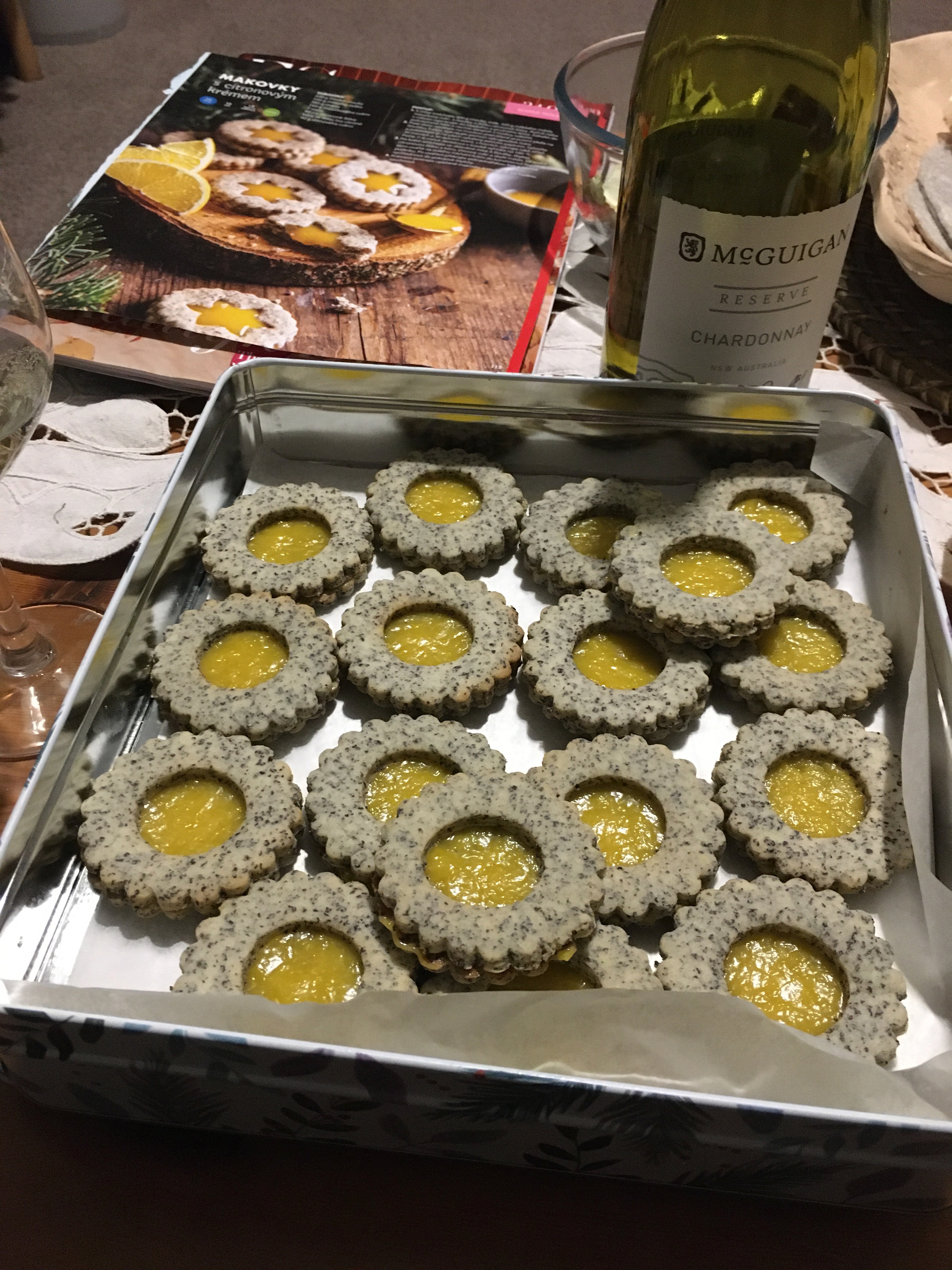
What biscuit could possibly betoken all that? How about a medieval creation more familiar to the dessert bowl than the coffee table? They’ve had so many names in history from Savoiardi in Italy to Champagne Biscuits in France, but Lady Fingers are one of the most popular English names for them. Extremely light, hard and dry like most Italian-style biscuits, they become almost meltingly soft once you dip them in coffee. Black coffee felt right for this occasion and I used a nice caramel-flavoured blend from local legend Old Spike.
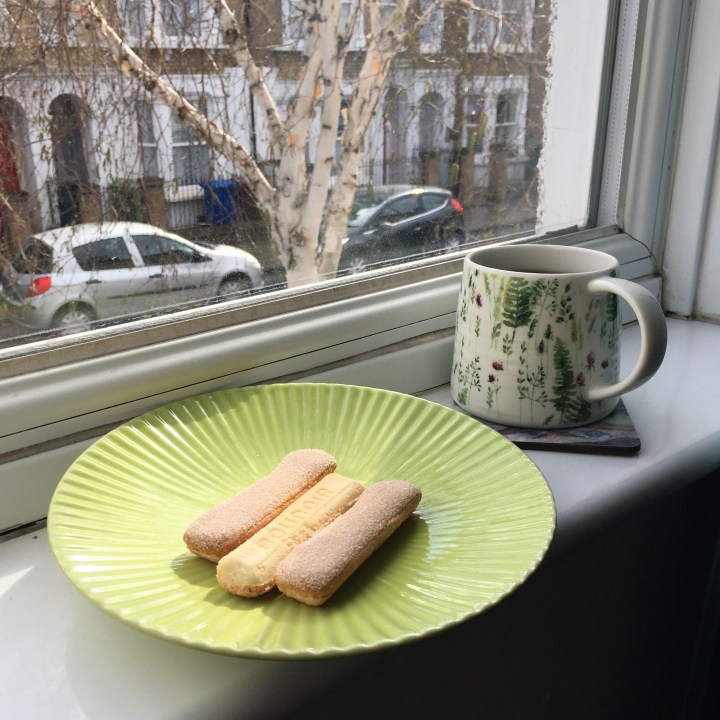
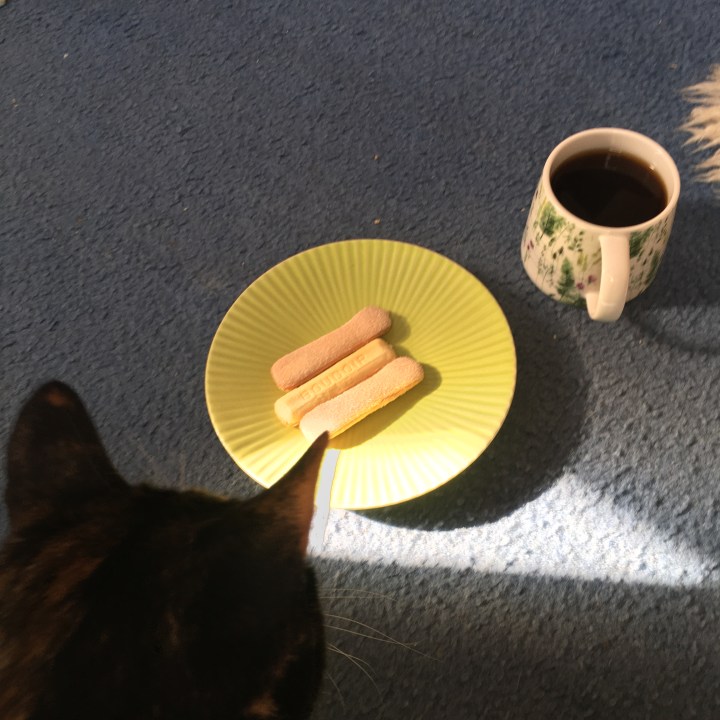
The sparkly top-coating of sugar is a nice touch and they’re not unpleasant in their tiramisu-less state but even so I kept feeling a strong urge to pop them in a trifle. Unsurprisingly perhaps, I found them in the dessert and not the biscuit aisle of Asda. The makers of this particular supermarket brand can’t decide whether to call them Sponge Fingers or Boudoir biscuits, but whichever they are I encountered a few issues getting a clear picture of them after Metuka earmarked the writing room for her boudoir. (She’s feeling very affectionate today and is now snoozing next to me on the sheepskin rug.)
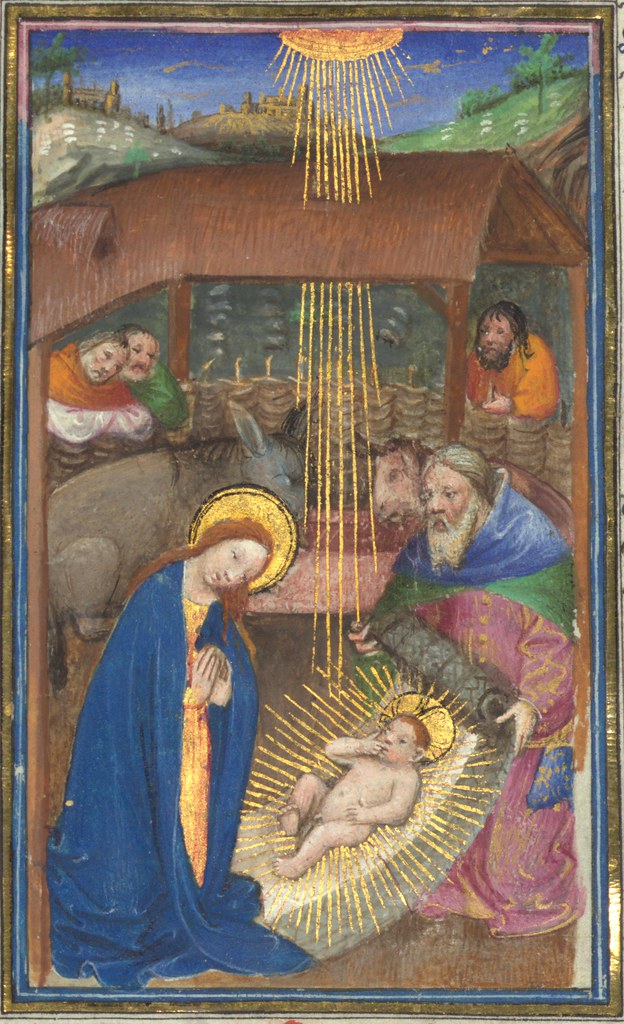
The Lady Fingers’ long history seems shrouded in as much mystery as the Tiramisu with which they’re so often connected, but we can hazard a guess that they first appeared sometime between the high and late Middle Ages at the Court of Savoy, perhaps for a royal visit. This all fits rather nicely with the story of the angel announcing a visit from the King of Kings, and the startled young girl wise enough to accept his words and sensible of the honour of being chosen to help fulfil them.
Further Delectation
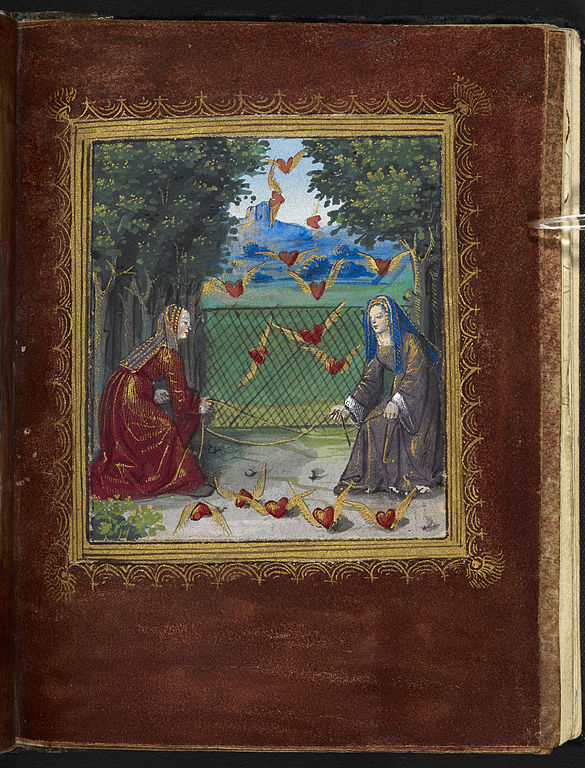
Read more about medieval depictions of the Annunciation in this excellent post from the very helpful Introducing Medieval Christianity blog, brought to my attention by the Clerk of Oxford (who posts here on the significance of the 25th of March in medieval Christendom).
Lady Day wasn’t really an alternative International Women’s Day or Mother’s Day in the Middle Ages but it too served as a reminder of the worth and dignity of women. If you want to read more about powerful advocates for women in this period, you might be interested in Christine de Pizan’s Le Livre de la Cité des dames (Book of the City of Ladies) – an educated single mother of the fifteenth century who made a living as a writer at the French court. Happy Lady Day, all!
Enjoy this lovely medieval hymn on the Annunciation, Angelus ad Virginem, mentioned in a slightly less elevated context in Chaucer’s Miller’s Tale and also one of my favourite Christmas numbers:
If you would like to see more entries more regularly and help keep this bestiary free of ads, you are welcome to contribute to the Biscuit Jar.
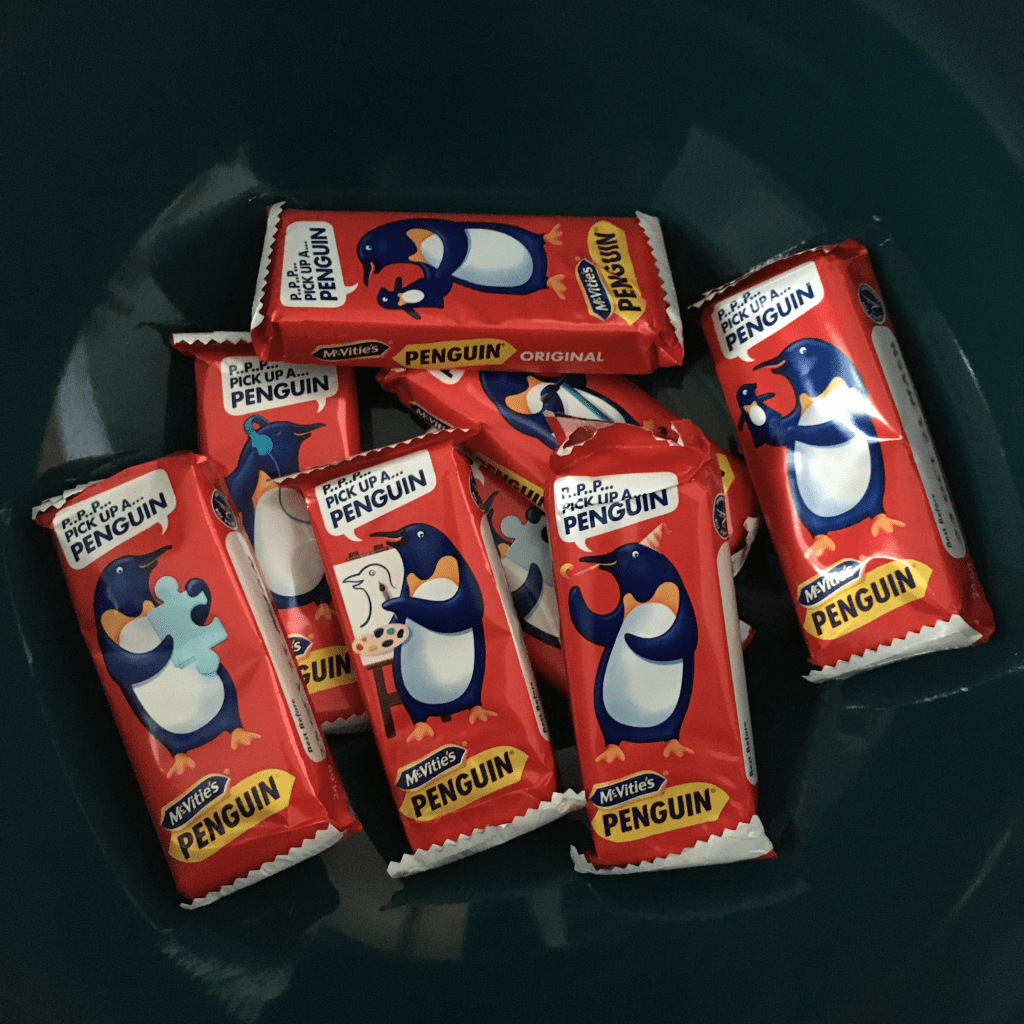
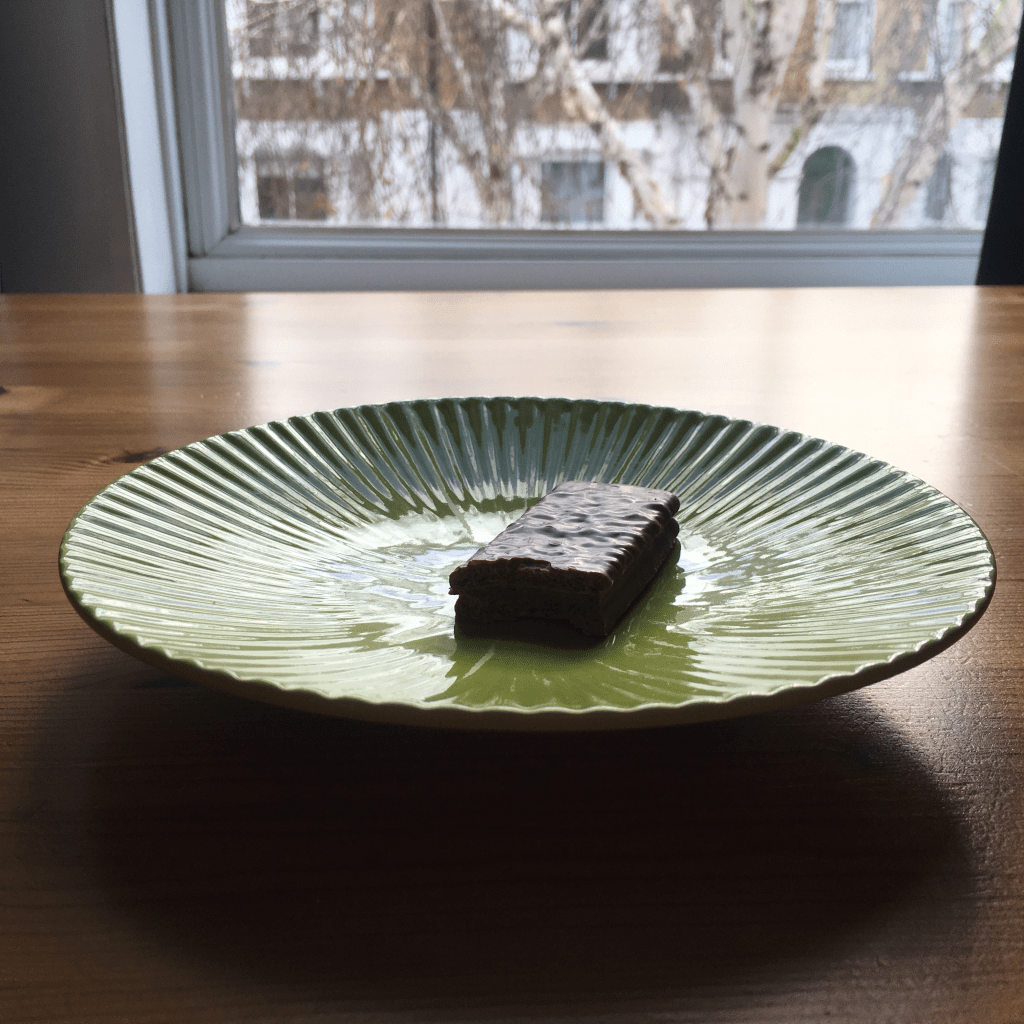
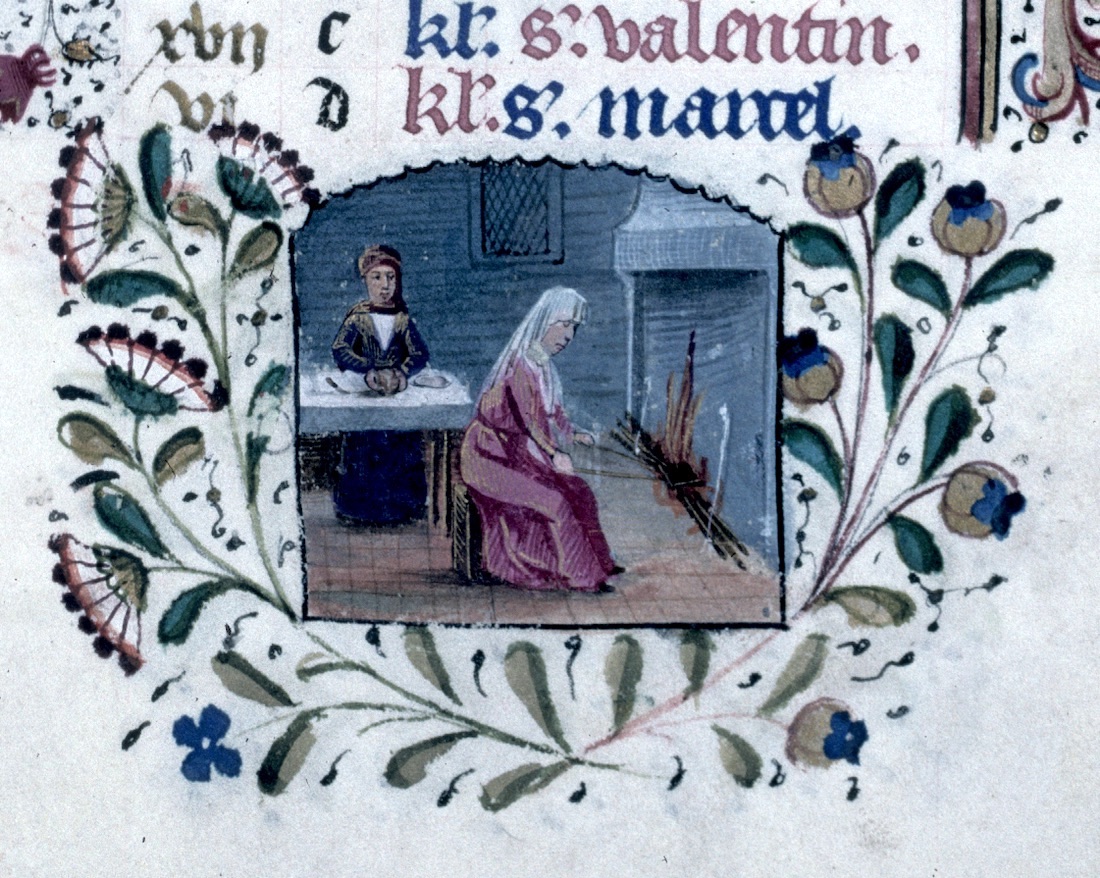
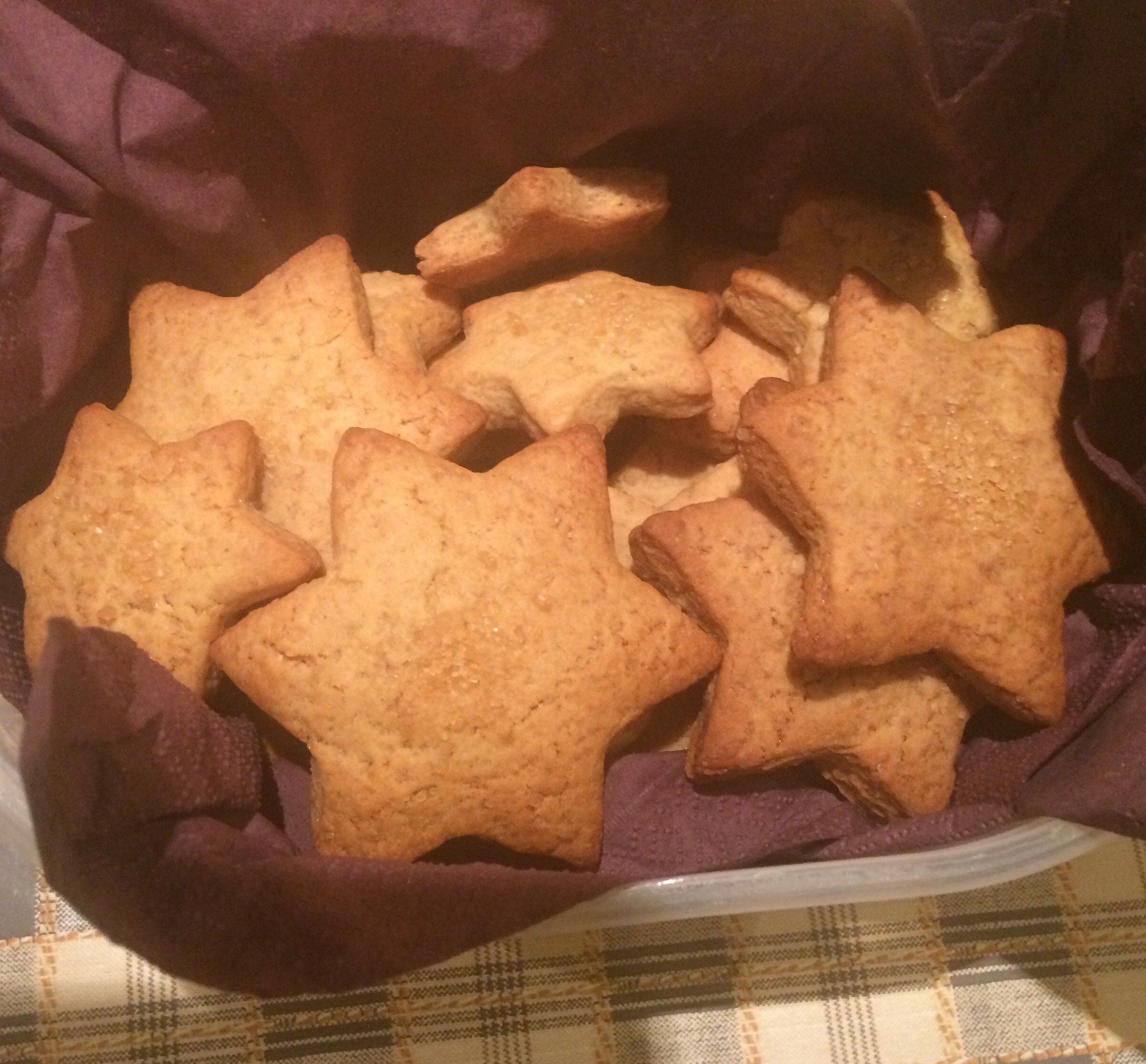
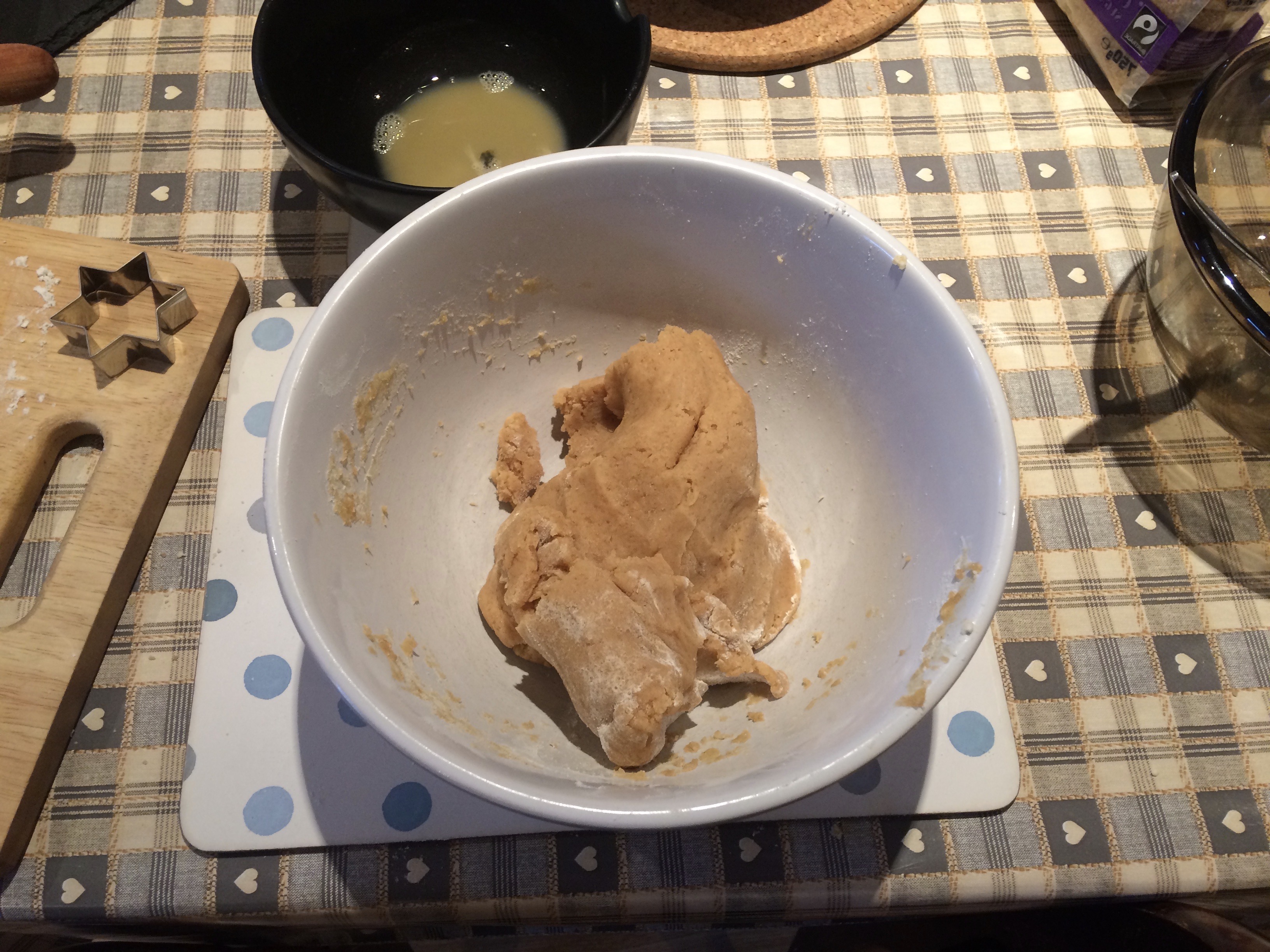 Each year I’ve meant to write about the great gingerbread making and each year time has overtaken me. And so each year I’ve taken photos with great optimism — these, from 2016, interposed in my phone’s camera reel with a trip to see the RSC’s King Lear at the Barbican — all ready for a bestiary entry which never gets done…








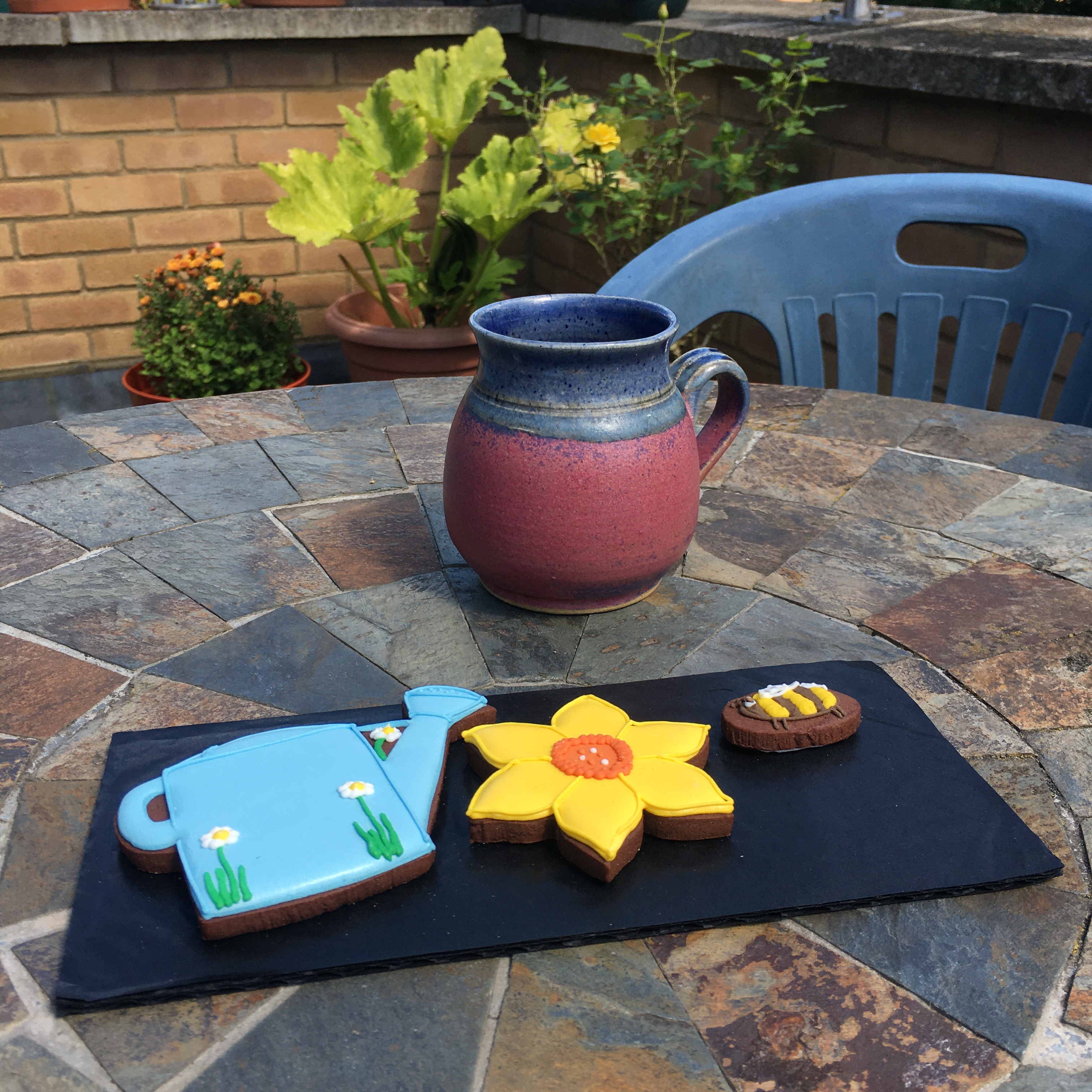
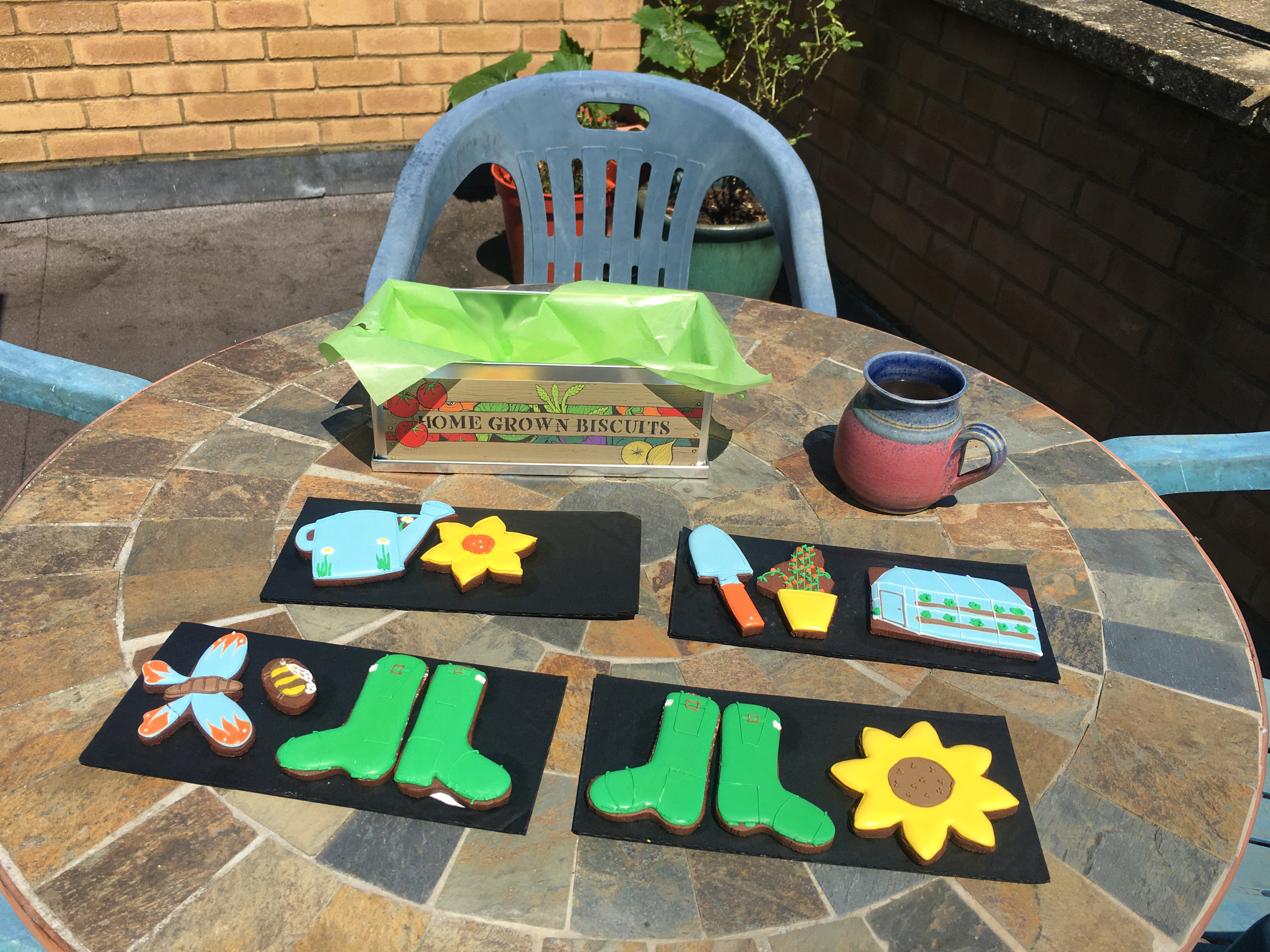 As you can see, these ‘homegrown’ biscuits are garden themed and, like the masterpiece of creation itself, full of that beauty and attention to detail that marks the work of a true craftsperson. So beautiful in fact it was hard to bring myself to eat them but I made a start with the trowel on the grounds that it had got a little cracked on its way out of the box. Having shovelled the first one in (chocolate shortbread, delicious) I decided to give it a bit of welly, and after that… Well, I was quite proud of myself for making them last more than a week in the end. Whatever recipe they use for their biscuit base, it’s built to last.
 I’ve written
 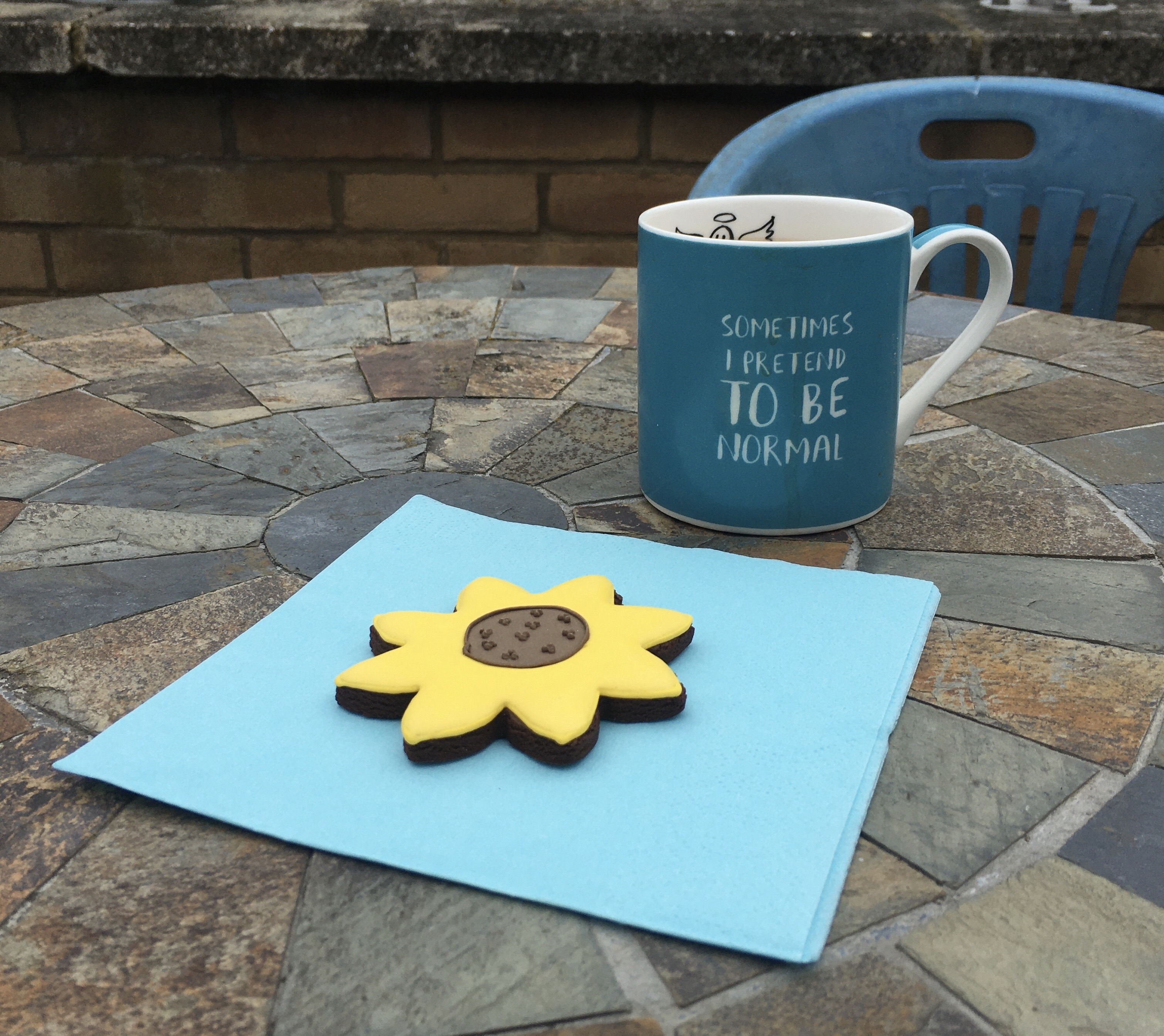 This week I came across a further application of the story I think the medieval clerks would have approved of: what do we do when the seed of something wonderful drops into our lives? It might be a new idea, creative vision, word of faith or moment of insight. What part can we play in helping it thrive?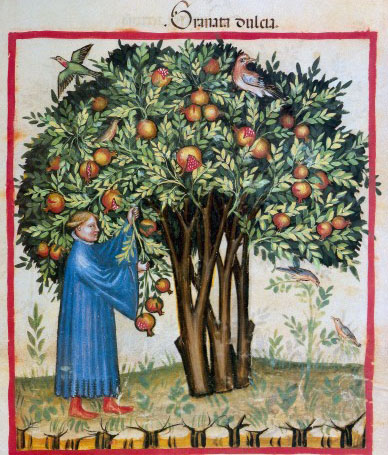

 Truth be told I’ve had a bit of a thing for Macarons ever since a visit to one of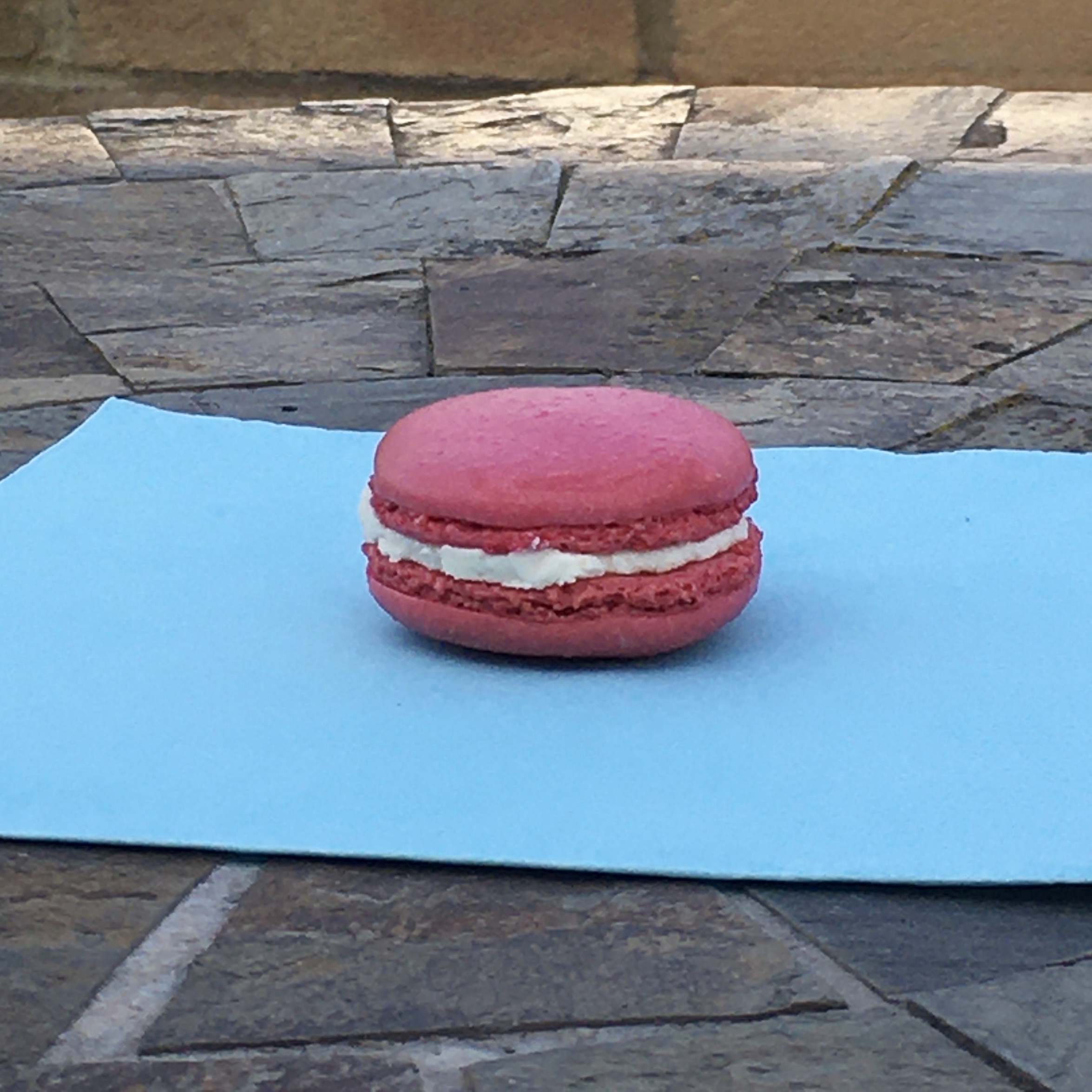
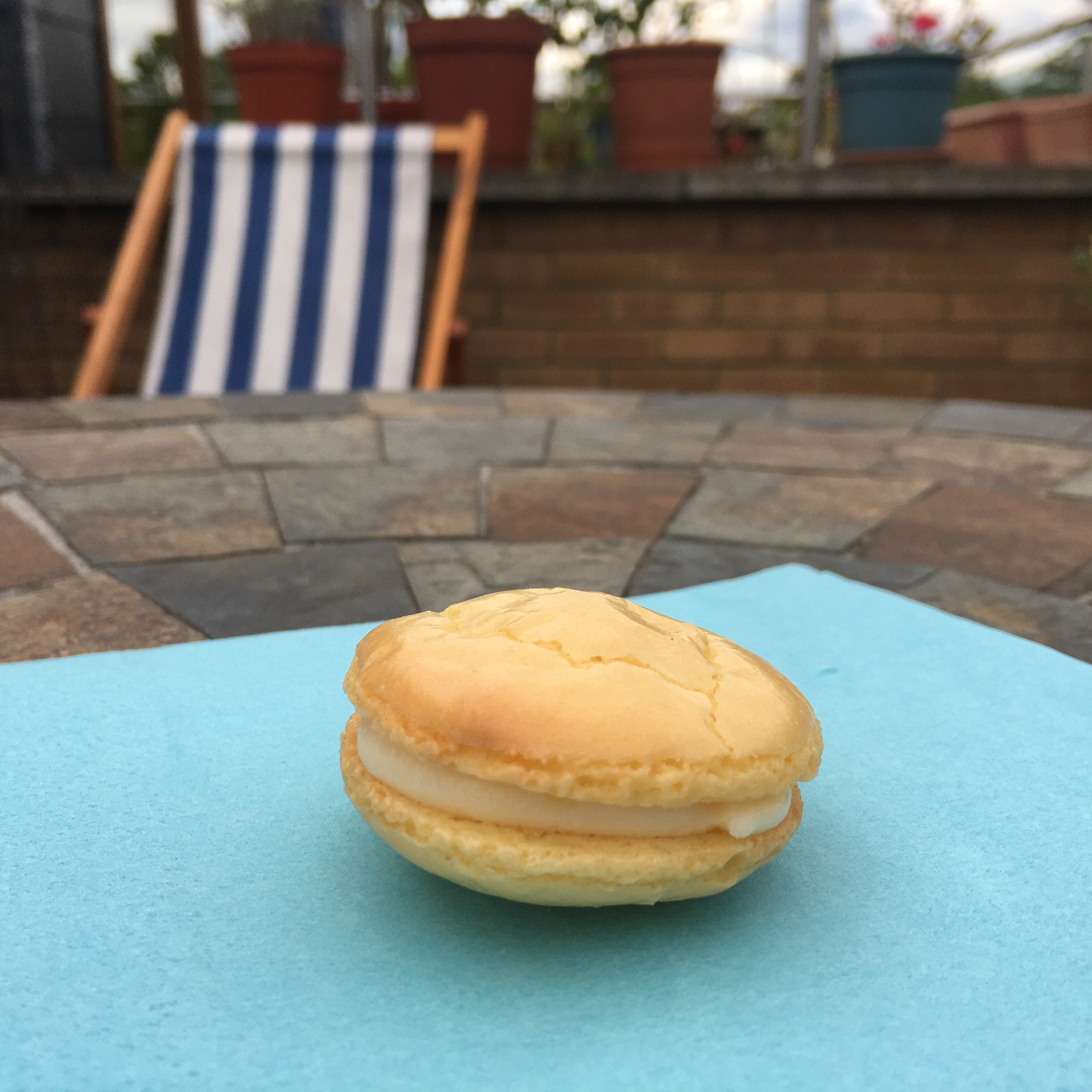 The Macaron is a biscuit of great taste and beauty, but it’s also incredibly delicate – a delicacy in every sense of the word. Thinking about its fragility, I’m moved to reflect on the way the unwelcome intrusion of the pandemic into our everyday lives has ushered in a season in which we’ve become acutely aware of our own vulnerabilities and not just to the virus. For some it might be the ability to earn a living, preserve a peaceful home or stave off loneliness with face-to-face contact; the challenge of having too much time on your hands or paradoxically not enough. For many the membrane between our work and home lives has become a lot thinner now colleagues Zoom us from their kitchens and public figures speak to us from their at-home studies, often with family members drifting in and out. It can be hilarious but also homely and humbling to have this glimpse into each other’s domestic lives. A daily reminder that we’re all human with or without our public faces on.