This week’s star biscuit is from the Alsace region of France and a present from my sister and brother-in-law who were holidaying in Colmar. The name, Bredele, means something like ‘little breadies’ in English and sounds more Germanic than Gallic in origin which makes sense given how close Alsace is to the border. The smooth, slightly convex topping looks a bit like a macaron to the casual observer but the consistency is tougher and the biscuit itself very dry and sweet and light. These anisbredele are particularly noticeable for their strong hit of aniseed (green aniseed according to my French colleague). Here they are perched on a windowsill in the office next to their elegant gift bag:
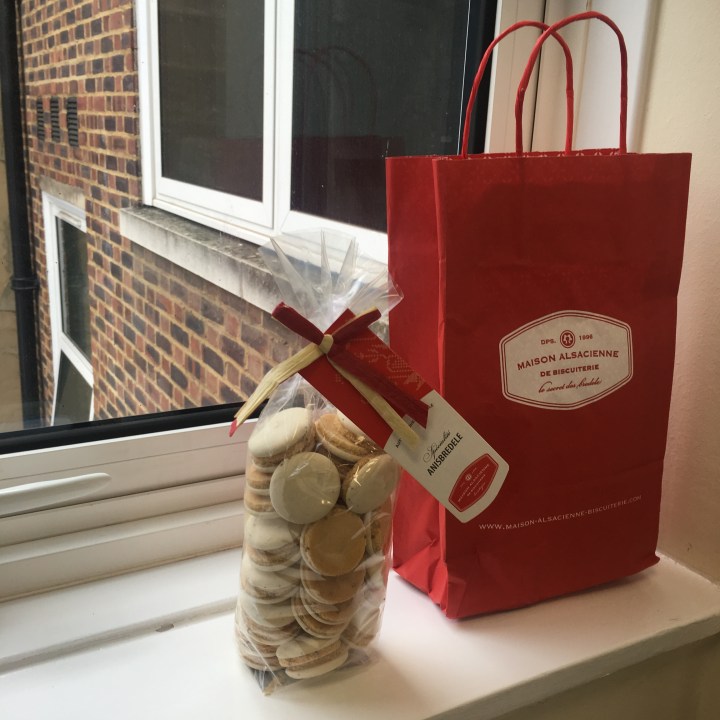 Bredele are treat biscuits enjoyed as Christmas cookies or petits four in France. The earliest recipes date back to fourteenth-century Strasbourg so they come with an excellent medieval pedigree also, but I have to admit I’ve only had one or two so far as liquorice is one of the few flavours I genuinely can’t abide. (This is an eccentricity of my own though and I’m pleased to say they’ve been popular with office mates who don’t share my prejudices!)
 In settling on a medieval-style sentence for the bredele, I couldn’t help remembering the famous line in the Lord’s Prayer: give us this day our daily bread. I doubt the most free-wheeling translator has ever stretched this into daily bredele, but the idea leads to an interesting question: is it OK to ask God for the little things as well as the big?
While it’s possible to under-think prayer maybe the greater danger comes from over-thinking it and in our efforts not to be childish in our prayer requests we can forget to be childlike as Jesus taught. In the gospels he tells his disciples to bring their needs to God as simply and directly as little children to their father and to trust that he is better than the best of human parents and intimately concerned with the smallest details of our lives. This may come as a surprise to those more used to relating to God as Our Emergency Service that Art in Heaven, but it invites us to a conversation about our evolving needs and yearnings with a father who loves to give us good things when we ask.
Further Delectation
Here for the bredele? You can find an aniseed-flavoured bredele recipe here or a general recipe here for those less fond of aniseed. The clerks and historians can also read about all things bredele-y at bredele.fr
Be a source of delight to others: if you’re lucky enough to be able to bake or buy your own biscuits, you might consider giving some to food banks this autumn. It can make a child’s day when you donate biscuits as well as the usual staples (a good way to be an answer to someone else’s prayers!)
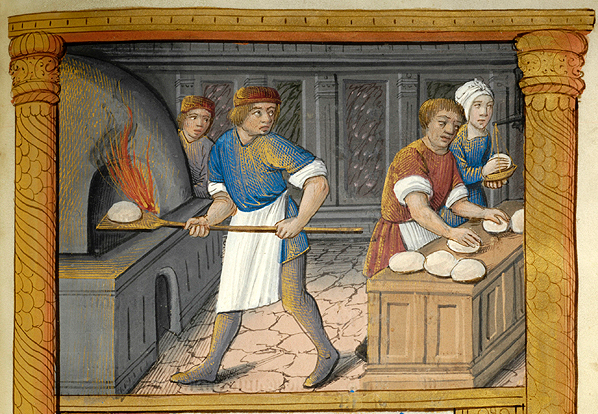
Check out these medieval bakers in a French breviary from the early 1500s. This illustration is for the month of December so perhaps they’re busy making Christmas biscuits (following the astrological calendar, it also sports a fantastical goat in a shell…)
If you would like to see more entries more regularly and help keep this bestiary free of ads, you are welcome to contribute to the Biscuit Jar.
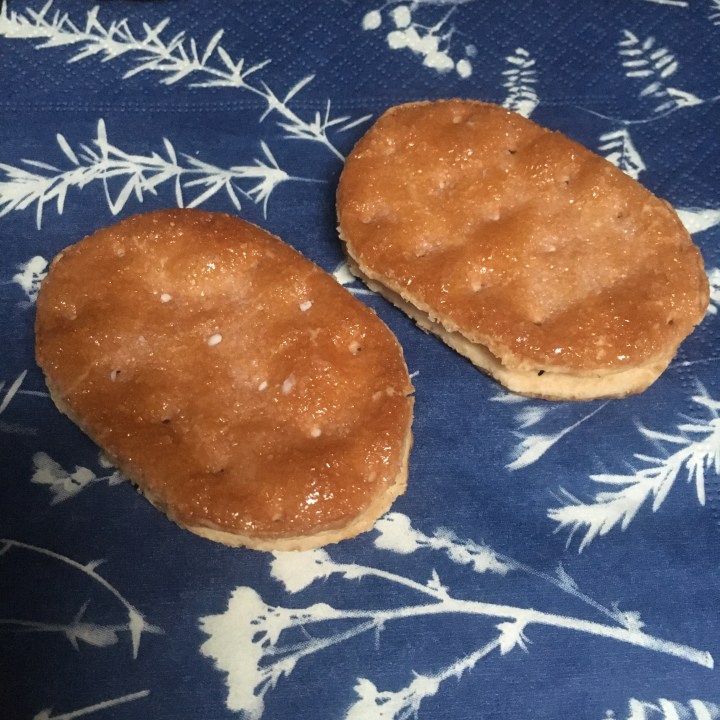



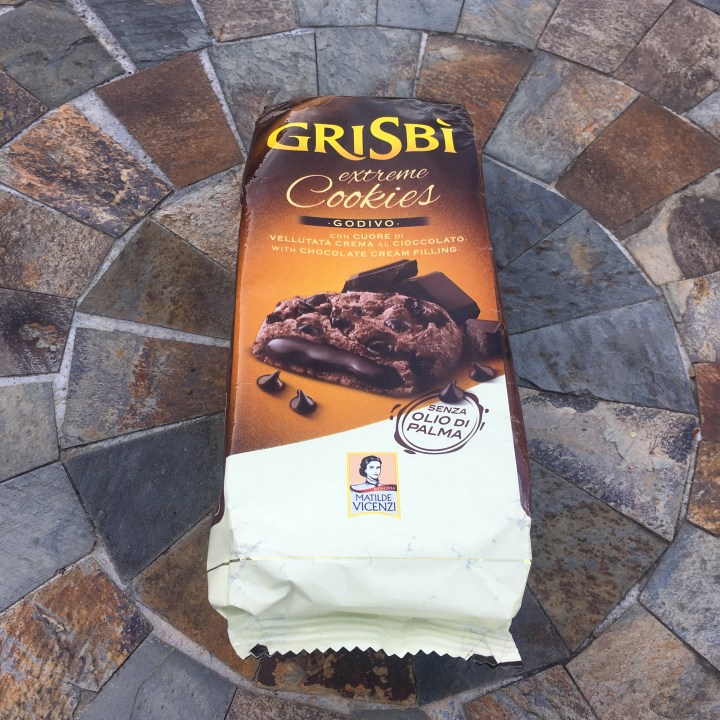
 While I don’t like ranking biscuits any more than people, I have to say this is chocolate of a high order and so rich it makes for the perfect dessert biscuit (more on that elusive genre at a later date). The gooeyness of the centre was an unexpected surprise, especially for an Italian biscuit as these tend to be dryer than the British sort. Anyone eyeing it from the outside could be forgiven for imagining it was the same texture all the way through and I must say I’m intrigued by the combination of outer crumbliness and inner creaminess its makers have managed to pull off.
 For the moral I couldn’t help but think of the prophet Samuel’s words when choosing a new king for Israel: ‘People judge by outward appearances but the Lord looks at the heart.’ Leaving aside the fact that the Lord’s choice, David, was apparently good-looking as well as goodhearted (some kings get all the luck), Samuel’s words are a sober reminder that what impresses on the surface does not necessarily make the best criteria for judging an individual’s worthiness or fitness for office.


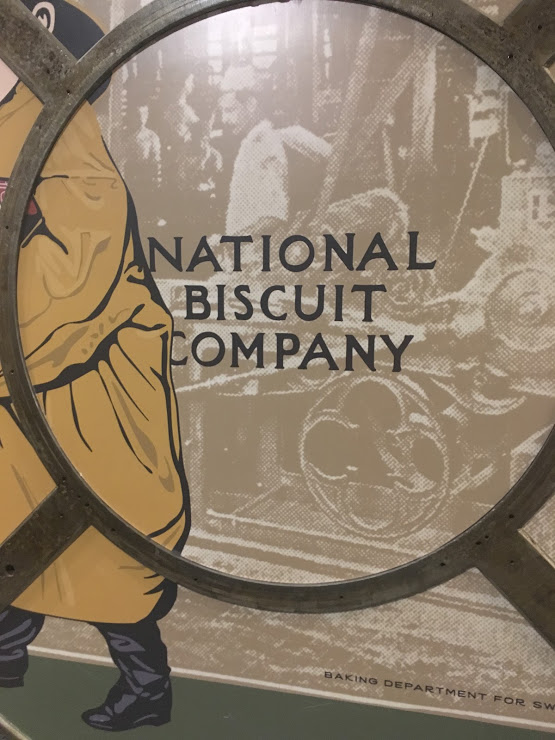
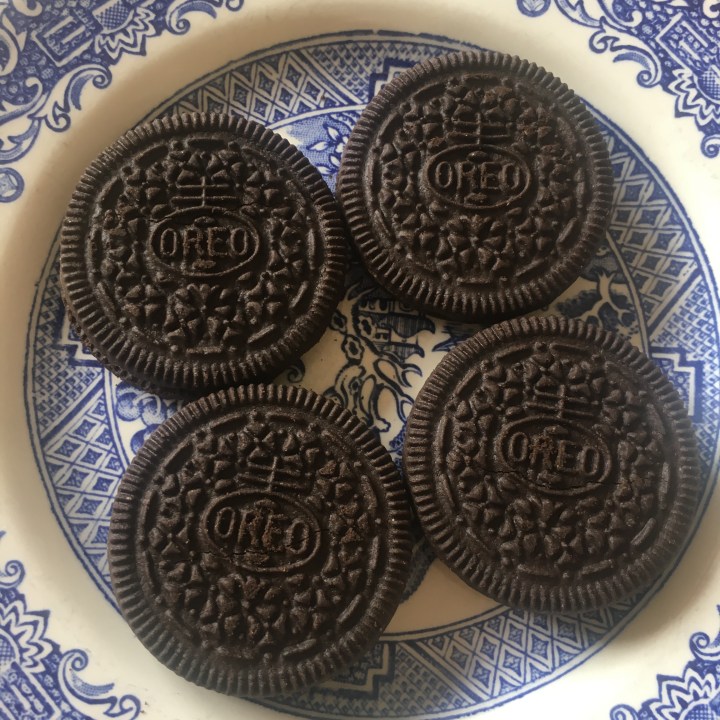 I was surprised to discover that the Oreo first appeared in 1912 around the same time as equivalent sandwich styles premiered in Britain (c.f. the Bourbon and Custard Cream). Even today, America’s Oreos are still produced by Nabisco, the successors of the wonderfully named National Biscuit Company (a name which itself belongs to that bygone era when Old and New World biscuits were largely the same thing).
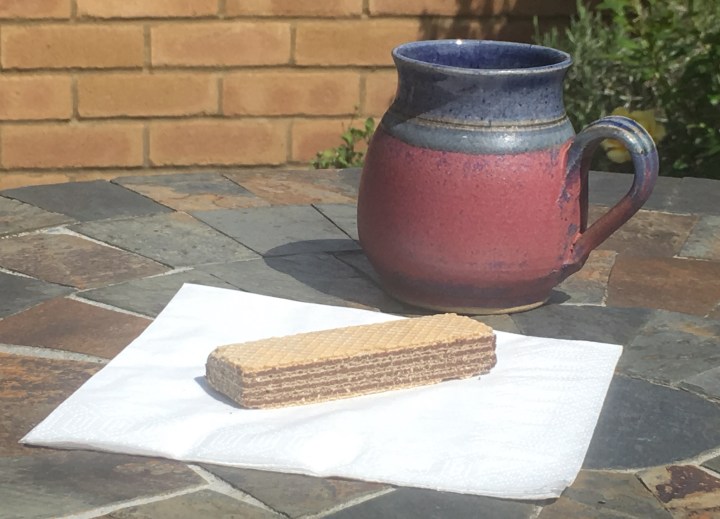



 Chocoline cookies are produced by a company in Minsk, whose name seems to be Chocoladovo transliterated from Belarussian. This particular incarnation of Chocoline is topped with a scattering of milled roast peanuts partially coated by a layer of soft chocolate, and the dimensions (5cm squares to about 8 or 9mm depth) seemed a bit unusual to me, probably because British brands look and feel chunkier. The peanut version was less crunchy in texture than I’d expected from the picture and the coating more sugary than nutty, but they were pleasant enough with a coffee after noon or dinner and thin enough to justify eating three or four at a push, or maybe six if you’re a penguin…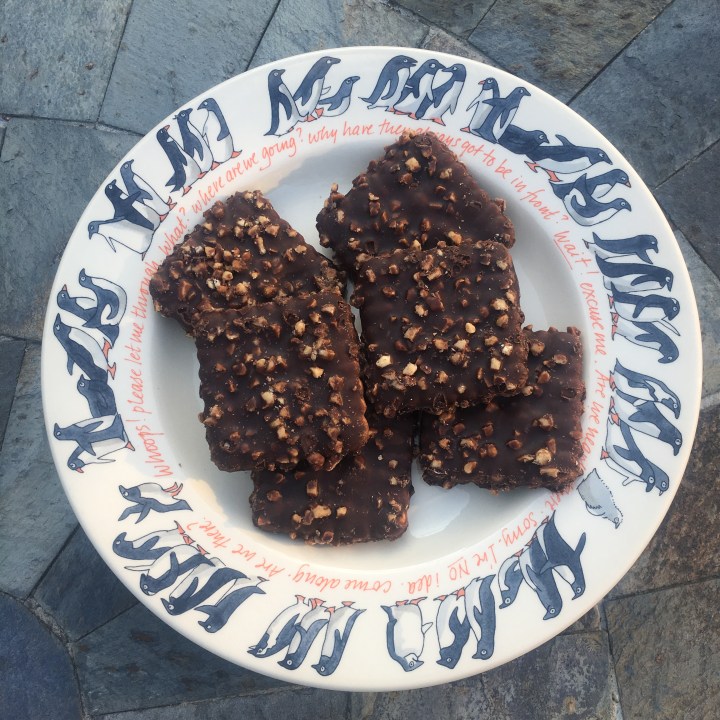




 The Biscuit Bestiary